 Documentation
 Terrace configurator
 E-catalog
 Stores
 Contact


See the variations
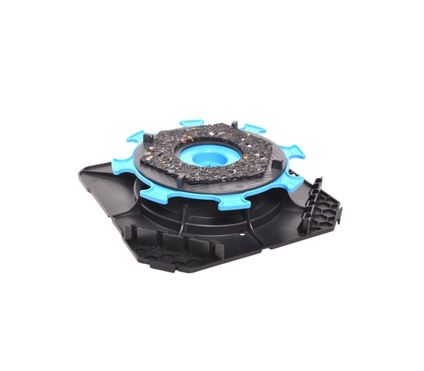
PLOGOM Flexible 10 mm Fixed Support for Ceramic Tiles

Jouplast® has considerably expanded its product range to ensure that it covers every type of outdoor landscaping project, including riser pedestal terraces finished in paving slabs, ceramic tiles, etc. Whether your project will be built on a concrete slab or bare ground, our products are designed to cope with every feature, from slopes to uneven or undulating ground, sandy soil, grass, etc.
Read more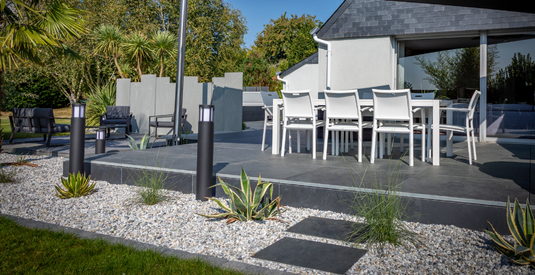
42 results






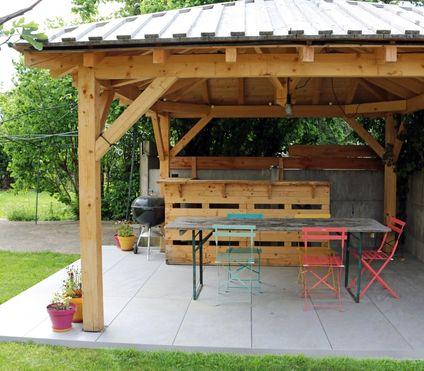
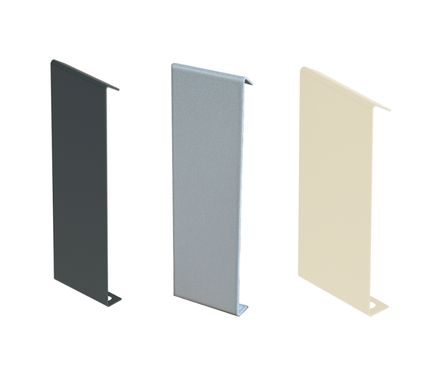
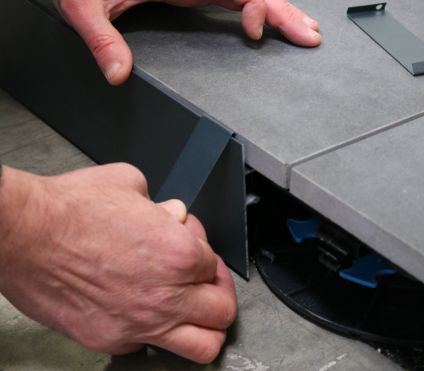
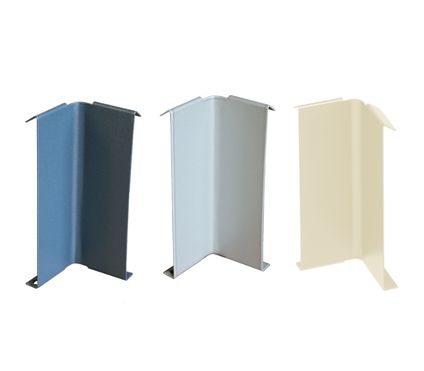
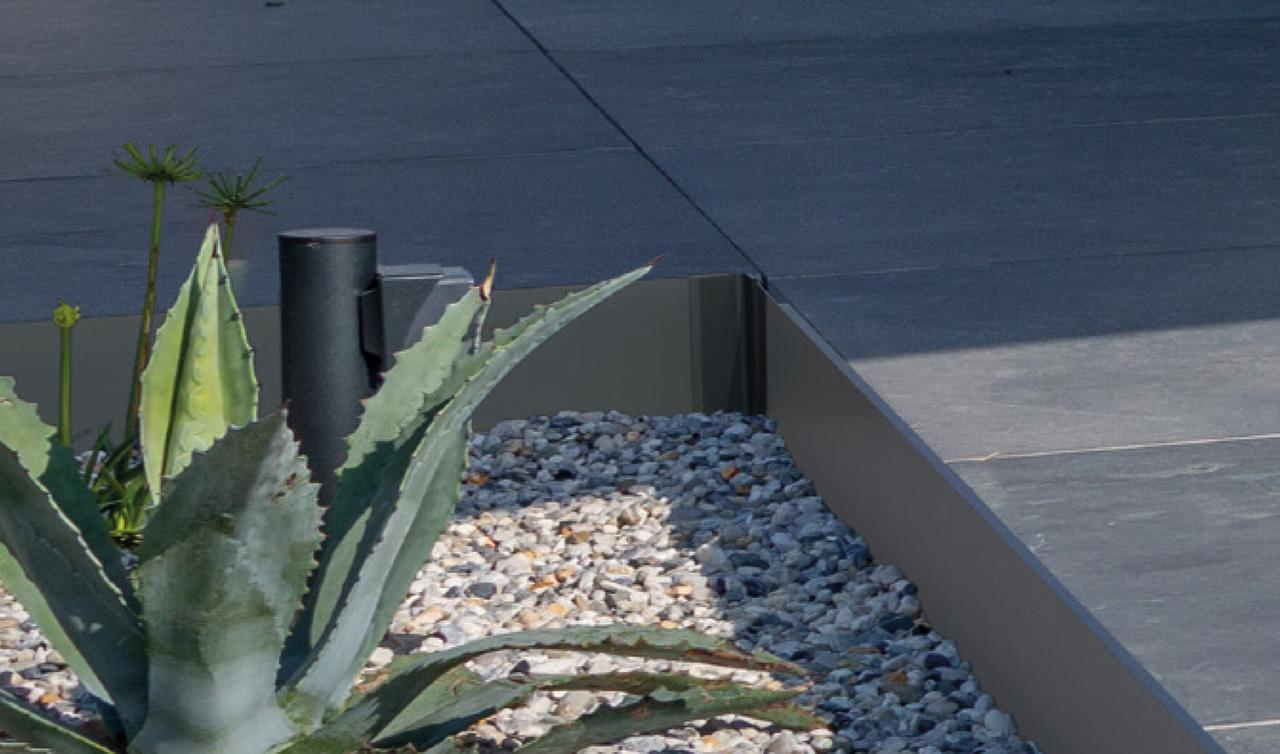
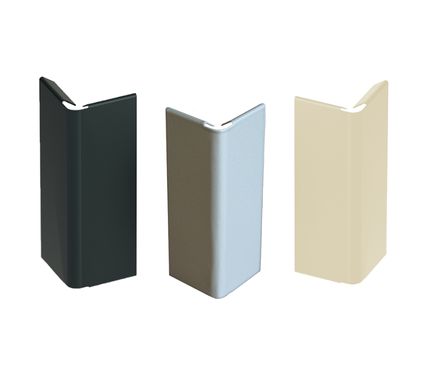
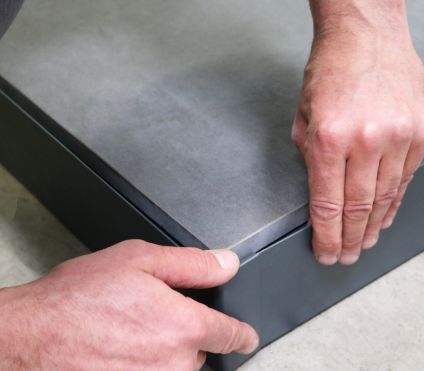


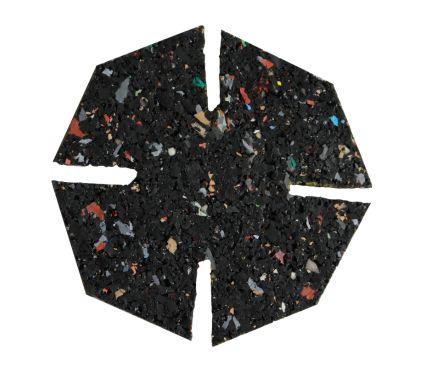




Stone, concrete or ceramic paving slabs are all possible choices for a patio on pedestals. The choice will depend on the use, the type of installation and, of course, the desired aesthetic appearance of your paved patio.
Stone paving slabs: a robust material
Stone is appreciated for its authenticity and timeless appearance. Two materials can be obtained from this mineral, depending on the process used:
Whether natural or reconstituted, stone slabs can be integrated into all styles of decoration and all types of installation.
Like concrete slabs, they can be laid sealed, glued, on pedestals or on a bed of sand.
Porcelain stoneware tiles: a material similar to outdoor tiles
Ceramic tiles are made from porcelain stoneware. This material is used to manufacture outdoor tiles of the same name. For this reason, they form a separate category, often included with outdoor tiles.
Porcelain stoneware outdoor tiles are a first-choice material for creating a tiled terrace. Ceramic paving is appreciated for its excellent aesthetic appeal. These tiles have a sober appearance that lends elegance to outdoor spaces in general and terraces in particular.
In terms of installation, porcelain stoneware can be laid in any way, including on pedestals, despite being thinner than other types of paving. For installation on pedestals, the tile must be at least 2 cm thick and comply with the QB UPEC F+ standard.
Wooden tiles: perfect for small areas
Also known as decking, wooden tiles are often associated with decking boards. And for good reason, as they are made from bio-based material. However, some decking is made from composite, a mixture of wood fibres and synthetic materials.
Wooden tiles or decking are also very lightweight. Installing decking is therefore very different from installing other types of tiles. It is also very easy, as they simply need to be laid on the ground, provided that it is smooth and level. It should be noted that they can also be laid on joists.
It is necessary to prepare the surface on which your slab terrace will be installed. An unprepared ground (such as installing directly on a lawn) may change and shift over time, depending on the load it supports and weather conditions (drought, heavy rain, etc.). Therefore, it is essential to stabilize the ground to ensure the long-term durability of your project.
The surface on which the paved patio will be built must be prepared before work can begin. Unprepared ground (e.g. unprepared soil) may change over time and can be subject to movement. Depending on the weight it will subjected to and the local climate (dry periods, heavy rainfall, etc.). For these reasons, it is important to stabilise the ground beneath the patio to ensure long-term stability of your project.
Before installing any patio pedestals, it is important to stabilise the ground to ensure the longevity of your wooden deck or paved patio. To establish a solid base for your raised patio, the ground must be levelled, even and free of any obstacles.
On a concrete slab, ensure you remove any debris that could hinder the installation and/or stability of the pedestals.
On unprepared ground, minor earthworks will be required. First, you will need to excavate the ground to create a level base and ensure the ground is properly levelled. The installation of a geotextile membrane and the creation of a base layer made of crushed stones are then essential to ensure that the patio pedestals can be installed correctly.
If installing on a waterproof surface, comply with DTU 43.1.
If you are using Elevo® pedestals, ground preparation is minimal and simply requires the installation of a geotextile membrane to ensure proper drainage of rainwater.


of existence at your service

to bad weather

and environmentally friendly

thanks to our innovative systems

Jouplast® guides you in your outdoor development project (terrace, staircase, driveway) by establishing a complete shopping list in 5 minutes.
Also benefit from expert advice to install your project with complete peace of mind.
You will find here all our directions for use.
Find the point of sale closest to you using our dealer map. We remind you that no products are sold directly. Please contact one of our distributors if you wish to receive a quote or make a purchase.
Our products are installed by numerous landscapers or public works companies. We encourage you to contact one of these professionals for the installation of Jouplast® products.
If you need assistance or information, you can reach out to your distributor.
Thank you!
To find the price of your Jouplast® product, we invite you to contact your nearest distributor.
We do not sell directly to individuals or professionals.
To find a price, we recommend contacting your usual distributor.
If your product is defective, we invite you to contact your distributor.
If the response from your distributor is not satisfactory, please feel free to write to us using the contact form.
In the case of receiving slightly deformed or warped pads, we assure you that they remain suitable for installation. Once the covering is installed, the pad will return to its original shape.


