 Documentation
 Terrace configurator
 E-catalog
 Stores
 Contact



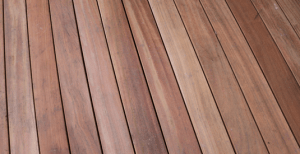
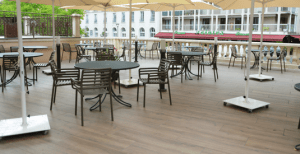



See the variations
Decking Riser Pedestal (1 Lug) “Essential Range”

Whether your outdoor space features paving slabs, composite, timber decking, or a mixed finish, Jouplast® is the partner to build your raised patio. Our range of adjustable pedestals and accessories will meet all your needs. Using patio pedestals offers numerous advantages: it does not require joints nor heavy groundworks, it facilitates the routing of pipes and cables, it makes it easier to replace your wooden boards or slab tiles, etc. The R&D team is constantly developing new products to address your constraints: levelling without groundwork, rot-proof structure, simplified height adjustment… As you can see, whether you choose a paving or decking pedestal system, Jouplast® guarantees you an aesthetic and durable construction. Compliant with current regulations, Jouplast® adjustable support pedestals are quick and easy to install, delivering a professional finish.
Read more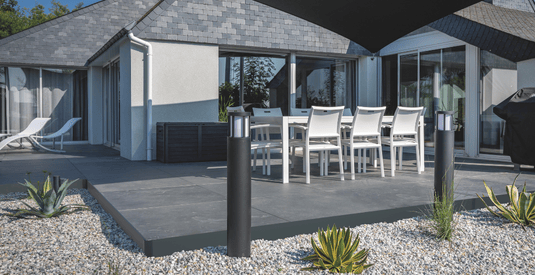
61 results


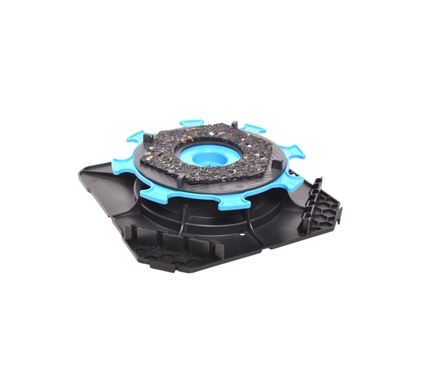

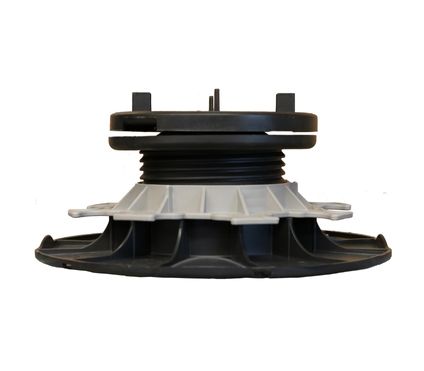

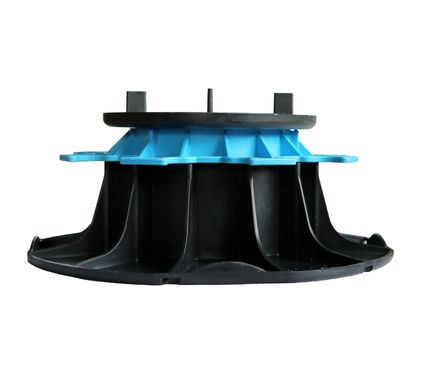

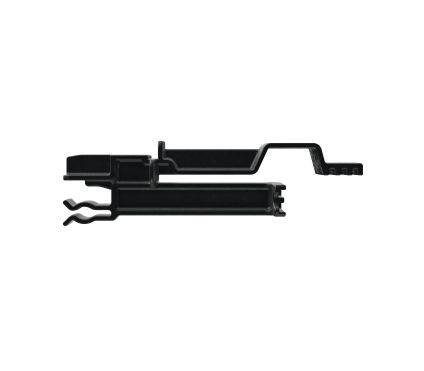
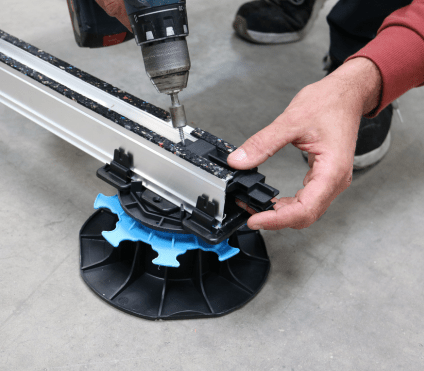
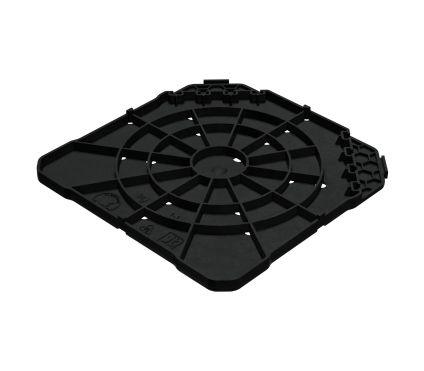
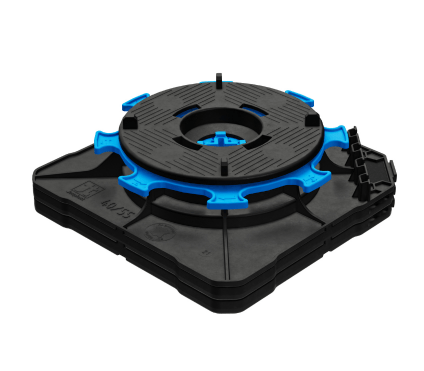


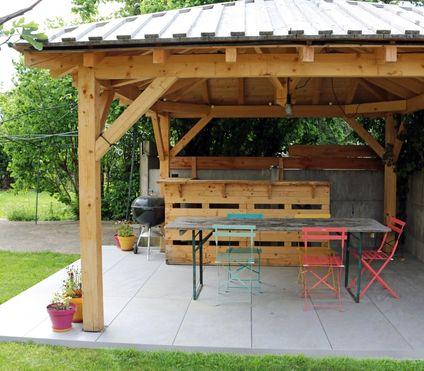
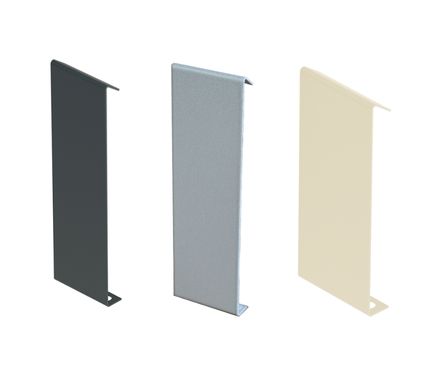
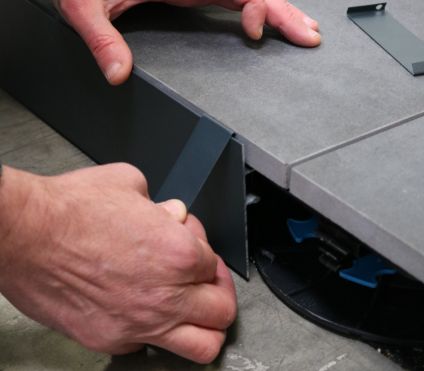
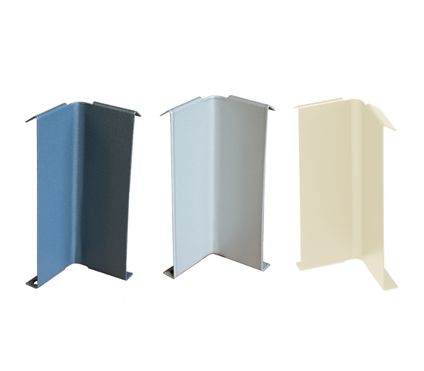
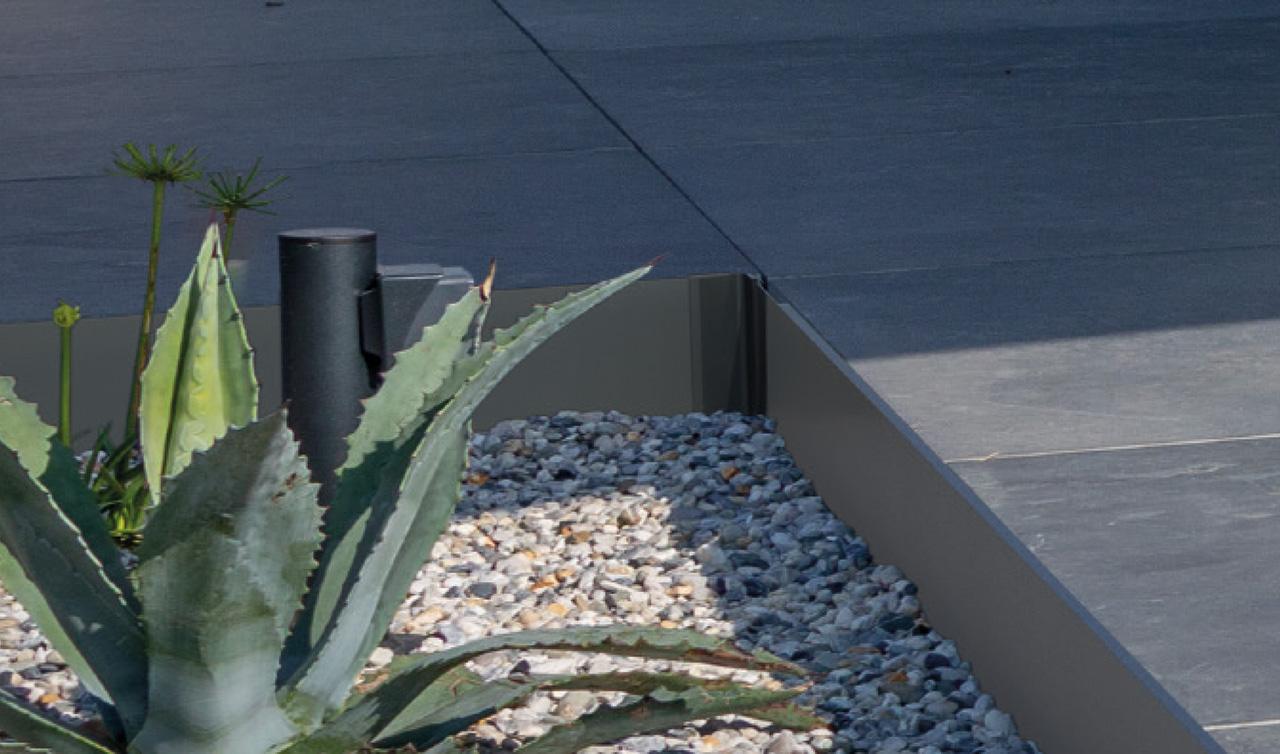
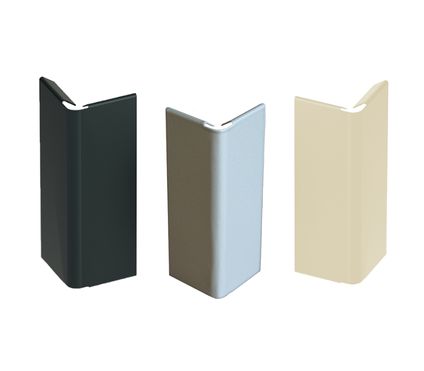

Jouplast® has developed a wide range of pedestals to help you meet all your needs.
Our patio pedestal systems fall into two main categories: paving and decking pedestals.
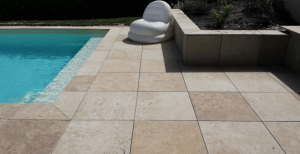
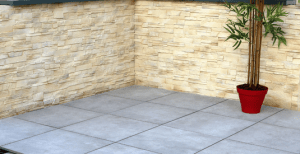
These pedestals will allow you to create stone, ceramic or tiled patios in no time. The paving slabs can easily be secured thanks to the lugs on the top of their heads. There are several types available:
It is available in several heights ranging from 8 mm to 470 mm (with risers). This adjustable support pedestal is perfect to create tiled, ceramic or paved terraces on flat, even ground. It is also ideal to renovate an existing patio or install it on concrete slabs or on levelled gravel. Whether you want a straight or staggered layout, this pedestal will meet your requirements. Risers of 10 mm, 25 mm and 60 mm can be added to increase the height of the pedestals and achieve the desired height.
This pedestal is available in several heights ranging from 29 to 485 mm (with risers). It is particularly suitable for sloping, uneven and/or irregular surfaces. Its swivel head allows it to adapt easily to the area where the patio is being built. It is a self-locking pedestal, as its self-levelling head automatically locks into the ideal position once the slab is laid. Furthermore, this type of self-levelling pedestal can create or compensate for a slope of up to 5%. Just like the standard Essentiel pedestal, risers can be added.
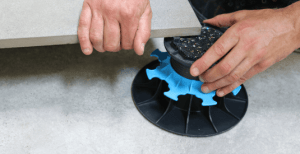
This adjustable paving pedestal is particularly robust. It is available in several heights, ranging from 28 mm to 470 mm. Its three adjustment options make it very practical. Indeed, you can first pre-set the height of your pedestal using the Cleman® driver bit. You can then adjust it manually by turning the nut. Once your flooring is in place, you can also fine-tune the height using the Cleman® adjustment key, which fits between the paving slabs. The Cleman® pedestal features an acoustic rubber strip, and edge trim supports that are already integrated. A 60 mm riser can be used in conjunction with this pedestal.
It has all the qualities of the standard Cleman® pedestal, with an added bonus: the self-levelling function! Ideal for sloping, uneven or irregular ground, as it can compensate for a slope of up to 5%. This pedestal is adjustable and available in various heights, ranging from 40 mm to 470 mm when using the 60 mm Cleman® riser.
This small pedestal is the only non-adjustable pedestal in the range. It has a fixed height of 10 mm and makes it possible to create low-height patios on flat, even ground.
The adjustable pedestals in the Essentiel and Cleman® ranges are compatible with a wide selection of accessories such as isolation pads, side finishing plates, as well as aluminium finishing profiles that clip into place using securing clips. Some of the pedestals in the Essentiel range are also compatible with Profildeck aluminium joists.
These patio pedestals are used for building wooden or composite decks. They are designed to support the joists of your decking structure, onto which you can then lay your decking boards.
This adjustable pedestal is available in several heights and meant to create wooden or composite decking on flat, even ground, ranging from 8 to 470 mm (with risers). The tab on the top of the pedestal allows you to secure your joists, thereby ensuring the stability of your raised decking.
Available in several heights ranging from 40 mm to 230 mm, Easio is an innovative adjustable pedestal support system offering numerous advantages. This one-piece pedestal, manufactured with a square flange, is designed specifically for easier corner installation. Its self-levelling diamond-shaped head can be used to compensate for or create gradients of up to 5%, create a double joist system with a single row of pedestals, and use a brace before final fixing. This patio pedestal is therefore ideal for uneven or irregular surfaces. The two tabs on its head also make it easier to centre the joist on your adjustable pedestal. The height of this pedestal can be adjusted manually or using the EASIO® / CLEMAN® driver bit. This pedestal can also be used with the EASIO® edge fishing piece to lock the pedestal’s self-levelling function.
This unique pedestal, adjustable from 43 to 118 mm, is to be installed on metal post supports. It saves a great deal of time as it requires no excavation nor site preparation. To install it, simply drive the metal posts into your grass or the ground, fit the pedestals onto the posts, then create the joist structure and finally lay the timber or composite wooden boards.
Our decking pedestals can also be used with a wide range of additional accessories such as : flat shims or ridged wedges, bituminous or non-bituminous protection strips, as well as risers and slope correctors.
Here are the key questions to ask yourself to make the right choice:
First, decide whether you want a patio made of slabs, timber or composite wooden boards. Jouplast offers specific pedestals for each type of flooring. Are you planning to build a paved patio? Opt for Essentiel® or Cleman® paving pedestals. Are you planning to build a wooden deck? Pick the standard, Easio®, or Elevo® deck support pedestals.
Adjustable pedestals are available in several heights. Before choosing your pedestals, it is therefore important to check the clearance height at your site (the height between the ground and your door threshold, for example). Is your clearance height very low? Don’t panic, we have designed the smallest adjustable pedestals on the market: the Essentiel paving pedestal system and the decking pedestal system from 8 to 20 mm.
Make sure the ground is stable and properly prepared. Jouplast offers solutions for different types of ground. If your ground is uneven or sloping, opt instead for self-levelling pedestals such as the Cleman® self-levelling pedestal for paved patios, the Easio® decking pedestal or the Essentiel self-levelling paving pedestal.
Think about accessories that can help you refine your work, such as risers, acoustic pads, and shims. Also consider accessories that allow you to protect the structure of your patio, such as protective strips for wooden or composite decking. And finally, don’t forget the accessories that will allow you to finish the edges.
Note that it is often necessary to use several sizes of pedestals to create a raised patio.
Jouplast patio pedestals are designed for quick and easy installation, guaranteeing a professional result without requiring major groundworks. By asking yourself these questions, you can confidently buy terrace pedestals.
We are often asked about the benefits of patio pedestals and why they are preferable to traditional glued installations or those without adjustable pedestals. There are many reasons! Patio pedestal systems offer numerous advantages.
Firstly, using pedestals simplifies both planning and installation. Indeed, our products are designed to simplify the installation of your patio, whether the flooring is made of tiles, composite, timber, mixed, or low-height decking boards. Height-adjustable pedestals generally allow for fast installation without the need for major groundworks.
Terrace pedestal systems also offer great adaptability, flexibility and modularity, making it easy to modify the layout to suit the owners’ changing tastes and needs over time. This modularity is particularly advantageous for temporary or evolving installations.
Made from recycled materials, Jouplast® pedestals are sustainable, stable, long-lasting supports with excellent resistance to temperature fluctuations and crushing. They are very resistant to heavy loads and can support 1 tonne. Their design includes an ingenious screw system that prevents sagging over time. They also provide proper drainage of rainwater.
In addition, terrace pedestals are practical and help you save money by reducing construction costs and minimising environmental impact as they are made from recycled materials.
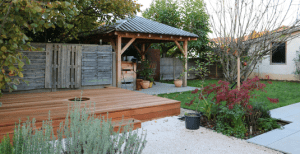
Another significant advantage is that an adjustable pedestal support system can be used on various types of ground, whether level, sloping or uneven. Our self-levelling pedestals, for example, allow you to compensate for or level out a slight slope, making it easier to install outdoor patio areas on varied terrain. Whether you want to landscape your garden, balcony, poolside area or even a space with a pergola, pedestals will be your allies for your landscaping project.
Thanks to the space beneath the raised floor, it is possible to route cables and pipes, making it easier to install electrical or plumbing systems without the need for additional work. This makes it easier, for example, to incorporate lighting into your outdoor living space.
In short, Jouplast® patio pedestal systems offer a practical, economical and durable solution for patio projects, whilst meeting the requirements of both professionals and DIY enthusiasts.
Before starting work, it is essential to estimate the number of pedestals you will need to purchase. Here are the steps to follow to estimate the quantity of pedestals required:
Start by measuring the surface area of your patio and drawing up a layout plan, taking into account the recommended spacing for the type of paving slabs. Generally, a pedestal is placed at each corner of the slab, but some formats or materials may require additional support points, and therefore additional pedestals.
To find out the recommended spacing between each pedestal, we recommend that you consult the appropriate installation advice, available on the product sheet for the pedestal you are using, and the recommendations of your flooring manufacturer.
To calculate the number of pedestals:
Each pedestal type has its own specific installation method. To ensure you follow the correct installation steps, we recommend you read the installation guide for the pedestals you have chosen for your project.
However, we can summarise the installation of pedestals in a few simple steps:
For detailed and specific instructions, we recommend consulting the installation guides provided on the product page of the pedestal you are using. They contain precise information and illustrations to guide you step by step.
The advised spacing between your pedestals depends on the flooring you have chosen.
For a paved patio, the spacing between the pedestals (whether self-levelling or not) depends on the size of your tiles. You will need to place at least one pedestal in each corner. So, if your tile measures 60×60 cm, you simply need to place your pedestals every 60 centimetres. For certain tile sizes, such as 90×90 or 120×30, you will also need to add pedestals along the lengths to ensure proper support for the tile. Always refer to your tile manufacturer’s recommendations.
For a wooden or composite patio, we generally recommend a spacing of 70 cm between each pedestal (depending on the type of wood and the joist cross-section). The spacing between the joists will depend on the type of decking: 50 cm between joists for natural wood decking and 40 cm between joists for composite wood decking (check with the manufacturer).
For further info, please feel free to consult our practical guide on how to calculate the number of pedestals. The most reliable approach is to consult your decking’s manufacturer.
Before buying pedestals, you need to choose the right size! Depending on the range of pedestals you choose, there are several sizes you can use to build your elevated patio.
Our paving pedestals are available in several sizes:
Our decking pedestals also come in several sizes:
Before laying the slabs or wooden boards, it is important to ensure that your pedestals are securely fixed in place. Here are the steps to follow to secure them, regardless of the type of pedestal chosen:
Start by marking out the area. This will determine the exact location and dimensions of your patio. Then, prepare the ground.
On bare ground
A small exception applies to the 8 x 20 mm terrace pedestal: we recommend creating a draining base layer made of 30/60 or 40/80 crushed stone instead of 0/31 crushed stone. Then, finish with a thin layer of gravel to achieve a perfectly level surface. Finally, compact it with a vibrating plate.
On a concrete slab
Depending on the nature of the ground, a drainage base can be laid beforehand using a layer of 30/60 or 40/80 aggregate.
If the resulting surface still has some imperfections, it is recommended to create a bedding layer using quarry sand or crushed sand of type 0/4. This will facilitate the installation of low-profile pedestals. It is recommended to use a vibrating plate between each layer.
On uneven or sloping ground, it is not necessary to level the surface if you are subsequently using self-levelling pedestals.
Our patio pedestals have a crush resistance of over 1 tonne. However, the weight that a wooden or paved patio can support does not depend solely on the strength of the pedestals.
Each type of flooring has its own load-bearing capacity. We therefore advise you to check with your timber or paver supplier for more precise information.
More generally, if you are planning to place a heavy item on your raised garden terrace, such as a hot tub, we recommend opting for our PROFILDECK® solution (aluminium joists), which will ensure better weight distribution across the structure of the raised patio.


of existence at your service

to bad weather

and environmentally friendly

thanks to our innovative systems

Jouplast® guides you in your outdoor development project (terrace, staircase, driveway) by establishing a complete shopping list in 5 minutes.
Also benefit from expert advice to install your project with complete peace of mind.
You will find here all our directions for use.
Find the point of sale closest to you using our dealer map. We remind you that no products are sold directly. Please contact one of our distributors if you wish to receive a quote or make a purchase.
Our products are installed by numerous landscapers or public works companies. We encourage you to contact one of these professionals for the installation of Jouplast® products.
If you need assistance or information, you can reach out to your distributor.
Thank you!
To find the price of your Jouplast® product, we invite you to contact your nearest distributor.
We do not sell directly to individuals or professionals.
To find a price, we recommend contacting your usual distributor.
If your product is defective, we invite you to contact your distributor.
If the response from your distributor is not satisfactory, please feel free to write to us using the contact form.
In the case of receiving slightly deformed or warped pads, we assure you that they remain suitable for installation. Once the covering is installed, the pad will return to its original shape.


